

A Guide to Getting Your First Mortgage
Published: February 16, 2015 | 5 min read
Fortunately, buying your first place doesn't have to be an uphill battle. Preparation is key, and if you take the following steps, getting your first mortgage might be a breeze.
1. Pay all your bills on time
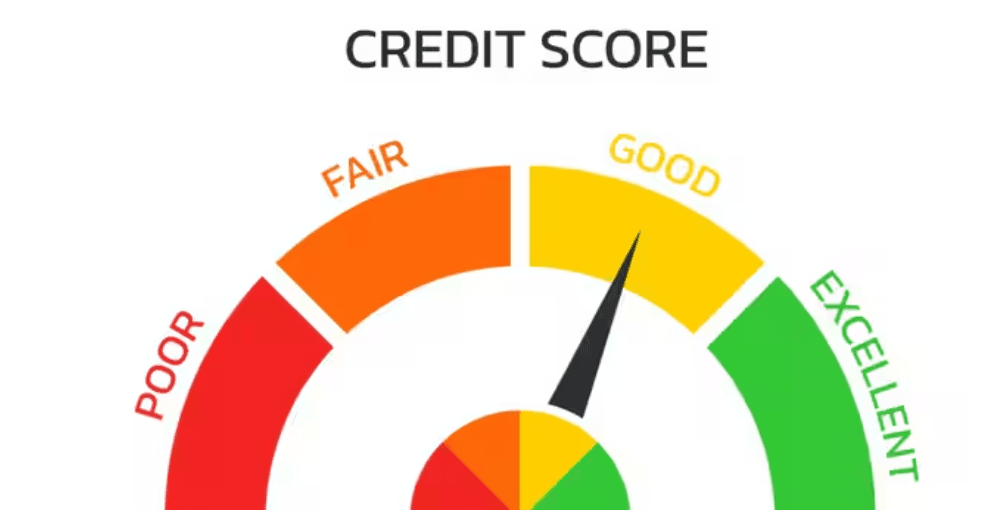
A mortgage loan is a big commitment. Before a lender approves your application, the bank will review your credit history. They’ll look at several factors, including how much you currently owe on credit cards and loans, and also your payment history. Timeliness makes up 35 percent of your credit score, and if you’re paying your bills on time every month, you're more likely to pay your mortgage on time. Typically, mortgage lenders will not approve your application if you have more than one or two 30-day late payments in a two-year period.2. Check your credit report
Before you apply for a mortgage loan, order your credit report from AnnualCreditReport.com. Every consumer is entitled to one free report from each of the credit bureaus on an annual basis. This is important because errors or mistakes on your credit report can lower your FICO score and prevent a mortgage approval. It only takes a few minutes to get your report. Answer a few basic questions to confirm your identity, and then you can view your reports directly from your computer. If you notice any mistakes or errors, file a dispute.3. Save your money
Getting a mortgage is harder for first-time homebuyers because of downpayment and closing cost requirements. Mortgage-related costs vary depending on the type of mortgage you receive and other factors, such as seller concessions. Speak with a mortgage lender to discuss options. For example, you might be able to get a mortgage loan with a down payment as low as three percent or 3.5 percent. However, if you have less-than-perfect credit, the lender may require up to 10 percent down. Regardless, start saving money and build your cash cushion to make sure you have enough funds to qualify for a mortgage. You’ll also need to take closing costs into consideration, which can range from two percent to five percent of the mortgage balance.4. Get pre-approved for a mortgage
Do not bid on a house before getting pre-approved by a mortgage lender. A pre-approval is beneficial because you’ll know if you're eligible for a mortgage loan and how much you can receive. Plus, a pre-approval puts sellers at ease. Some sellers won't accept bids from buyers who aren’t pre-approved. As you go through this process, speak with two-to-three banks and request a free quote. This way, you can compare interest rates, terms and other mortgage-related fees to make sure you're getting the best loan.5. Don’t make any major financial changes before closing
A pre-approval isn’t written in stone. So, don't quit your job or make a major purchase before closing on your home loan. Mortgage lenders realize an applicant’s situation can change between the time he applies for a mortgage and the time he signs the mortgage documents. A few days before closing, the lender will re-check your credit and income. Any changes such as financing a new car and increasing your debt-to-income ratio can jeopardize the mortgage loan. Don’t apply for any new loans until after you have the keys to your new home. Getting a mortgage can be stressful and frustrating, and as a first-time homebuyer you have a unique challenge. But if you research and understand lender requirements, getting your first mortgage loan won't be too difficult.Get Pre-Qualified in 60 Seconds!
Find out what you can afford with no hard credit check, just a few simple questions.
Select the type of loan that best fits you