
What Is a Starter Home and How Do You Know You’re Ready to Buy One?
Published: February 17, 2026 | 5 min read
Home prices feel high. Rent keeps going up. And at some point, most people wonder: Is it time to buy instead of rent? That’s where the idea of a starter home comes in.
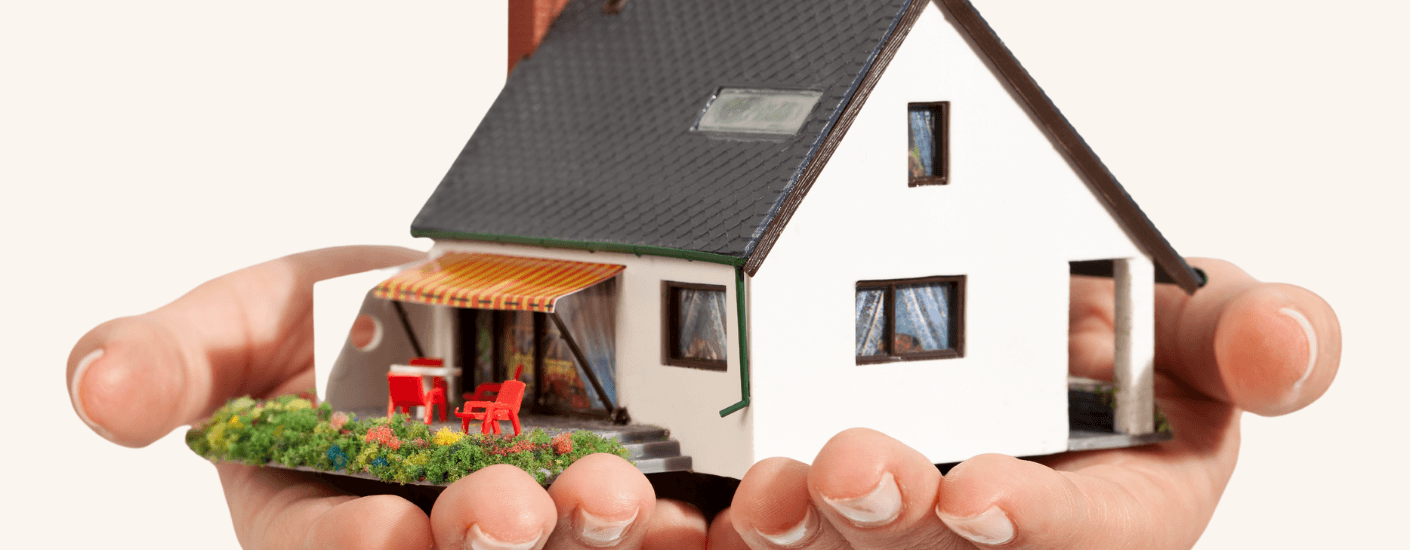
A starter home isn’t meant to be your “forever” house. It’s the home that helps you get into the market, start building equity, and stop paying someone else’s mortgage. It’s practical. It’s doable. And for many buyers, it’s the smartest first step toward long-term financial stability.
In this post, we’ll break down what a starter home actually is, what to expect, and how to know if you’re ready to buy one, without getting overwhelmed. Let's begin.
What is a Starter Home?
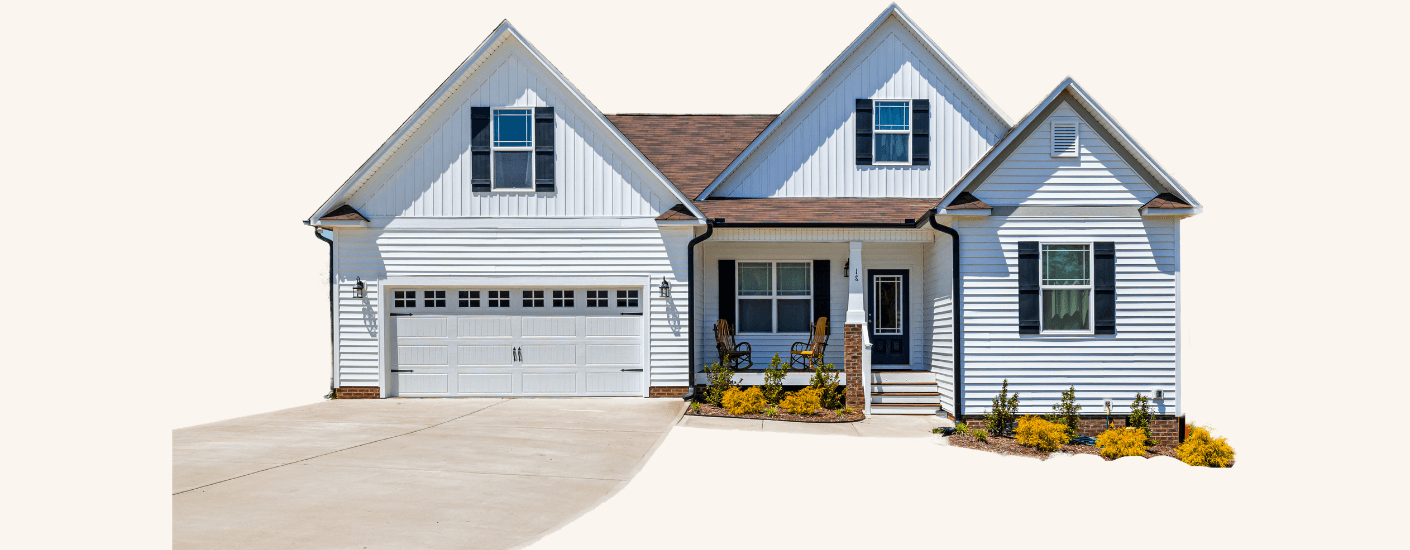
A starter home is usually a smaller, more budget-friendly place that works well for people buying their first house. Most buyers don’t plan on staying in their starter home forever. Instead, they think of it as a stepping stone. It’s a home to live for a few years while building equity and getting comfortable with homeownership before moving on to something bigger or more long-term.
This type of home doesn’t need to be brand new or picture-perfect. In fact, many starter homes come with a few projects or upgrades waiting for you down the line. They’re often chosen based on what makes sense right now. It may be being close to work, staying within a certain budget, or having access to good schools. Common types of starter homes include condos, townhomes, or smaller single-family houses.
Why Do People Choose a Starter Home?
- Affordability: Starter homes are typically priced lower than larger properties. That means a smaller down payment, lower monthly mortgage payments, and an easier entry into the housing market.
- Build Equity Instead of Paying Rent: When you own a home, your monthly payments build equity. When you rent, you’re helping someone else do that. Even a few years of homeownership can put you in a stronger financial position when you're ready to upgrade.
- Flexibility: You don’t have to have it all figured out right now. A starter home fits where you are today, not where you expect to be forever. It allows room to grow and adjust later.
Common Features of a Starter Home
Starter homes often share a few traits:
- Smaller size: Fewer bedrooms and bathrooms.
- Lower price point: Designed to be easier to afford.
- Simple features: You may not get all the upgrades or luxury finishes.
- Good location convenience: Near work, schools, public transport, or local stores.
- Some cosmetic fixes: You might paint, update floors, or replace fixtures over time.
These homes don’t have to be perfect from day one. The goal is to get started.
How Do You Know You’re Ready to Buy One?
Knowing when you’re ready to buy a starter home isn’t just about liking a house. It’s about being prepared financially, mentally, and practically. Here are the key signs to look for:
1. Steady Income
You don’t need a huge salary. You just need a predictable income and a budget that you stick to. If you can comfortably pay your monthly bills, set aside a little savings, and still have room for a mortgage payment, you’re on the right track. Stability matters more than the exact number in your bank account.
2. Some Savings
You’ll need money for the down payment, closing costs, and move-in expenses. Many first-time buyers are surprised to learn they don’t need 20% down. Some programs allow 3%–5% down. The goal is simply having enough saved so you're not financially stressed on day one.
3. Staying Put for a While
Buying makes the most sense if you expect to stay in one place for at least 3 to 5 years. That’s usually enough time to build equity and make ownership worthwhile. If you think you’ll move soon for work or lifestyle reasons, renting might be simpler for now.
4. Ready for Maintenance
When something breaks in a rental, you call the landlord. When something breaks in your home, you are the landlord. That doesn’t mean you need to be handy; it just means you’re willing to learn or pay for repairs. If that feels manageable, you’re getting closer to being ready.
5. Needs Over Wants
Being ready often means focusing on what fits your life today, but not the dream kitchen or perfect backyard. A starter home is about practical needs: enough space, a solid structure, a good location, and the ability to grow from there.
What to Look For When Choosing a Starter Home
Keep both today and the future in mind:
- Location matters more than upgrades. You can change floors and paint. You can’t change the neighborhood.
- Look at the condition, not just the look. Ensure the foundation, roof, plumbing, and electrical systems are solid.
- Think about resale value. Choose features that will appeal to the next buyer, too.
This is a stepping stone; choose one that can support your next step.
Final Thoughts
A starter home isn’t about forever. It’s about your first step.
It allows you to break out of the rent cycle, start building equity, and learn what homeownership looks like for you. If the numbers make sense, the location works, and you feel ready for a bit of responsibility, you may already be prepared to buy your first home.
If you’re thinking about buying a starter home, you don’t have to go through the process alone. Total Mortgage helps first-time buyers understand their options, compare loan programs, and find a mortgage that fits their budget. The goal is to make homeownership feel achievable.
Ref: https://www.kingandedge.com/blog/what-is-a-starter-home-a-complete-guide-for-new-homebuyers
Get Pre-Qualified in 60 Seconds!
Find out what you can afford with no hard credit check, just a few simple questions.
Select the type of loan that best fits you