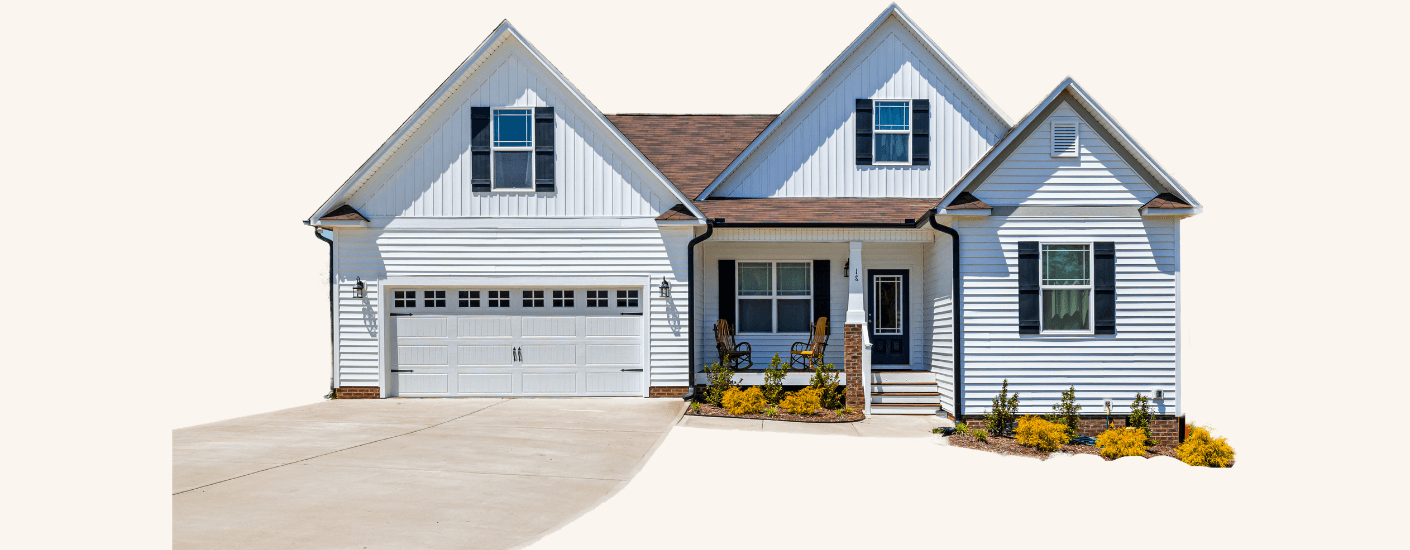


Starter Home, or Dream Home?
Published: July 29, 2015 | 5 min read
If you’re like most first-time homebuyers, you have a long list of must-haves and a tight budget. But while it can be tempting to hold out for a house that has everything you want (even if it comes at a price), there’s a lot to be said for the starter home.
Here are a few things to keep in mind when you’re weighing the pros and cons.
A starter isn’t forever
Most people only stay in a starter home for five or so years, or until they need more room for a growing family. If you see yourself changing jobs or moving to a better school district, then there isn’t a lot of sense in buying something to grow into.Just because you’ve been approved for a larger loan doesn’t mean you should use it
When lenders do the math on your mortgage, all they care about is whether you’ll be able to make your monthly payments, not whether you’ll be able to make them and have enough left over to take a vacation or renovate the bathroom. Buying at the upper end of your limit may get you the features you want, but the heftier down payment could deplete your savings in the short term, and monthly payments could keep you from building them back up in case of emergencies. Whatever option you choose, make sure to do the math.Even if the home you really want is out of reach, you can still build equity
Depending on your area, buying a small starter home can be cheaper than paying rent, and you get to build equity (at today's fairly low interest rates) for your later move.Starter homes can be good investments
A lot of starter homes have plenty of room for improvement, which means room for you to increase the value of your property. Plus, with real estate prices on the uptick in many areas, choosing wisely now may mean dollar signs down the road, even without a lot of work.The bottom line?
It doesn’t pay to take on more house than you need, or can afford. If you have the income and the desire to stay put for twenty or more years, go ahead and buy your forever home. If not, there are plenty of other options, from cute bungalows to condos that could make you the perfect starter home.Get Pre-Qualified in 60 Seconds!
Find out what you can afford with no hard credit check, just a few simple questions.
Select the type of loan that best fits you