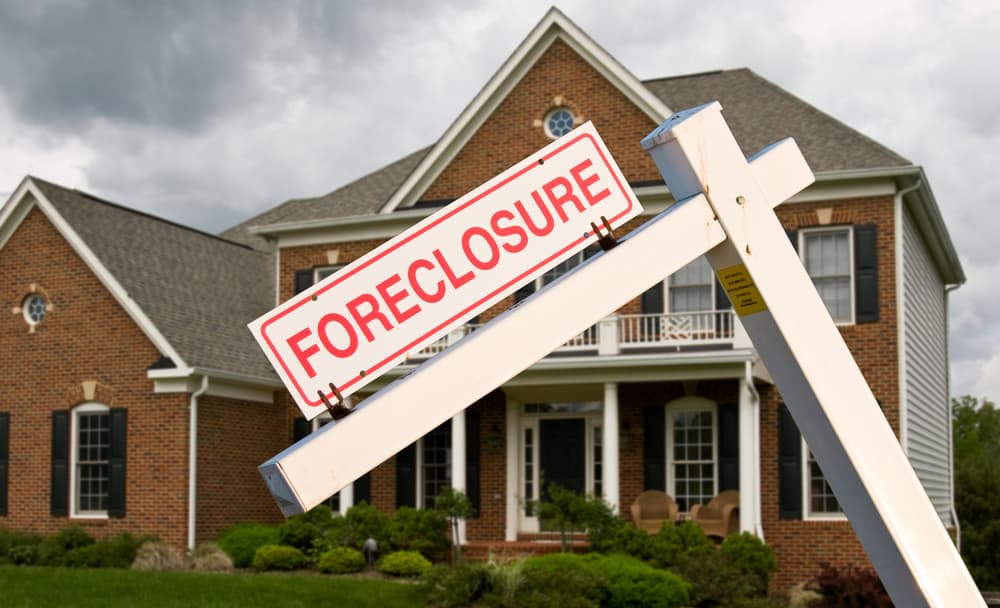


Lessons a Home Foreclosure Can Teach Us
Published: December 29, 2014 | 5 min read
Speak with anyone who's gone through a foreclosure and they'll tell you it's one of the most devastating, embarrassing situations to endure. Nobody wants to lose their home, yet a foreclosure doesn’t have to be the end of your ownership dreams.
Sure, losing a home damages your credit score, but most people recover in about three to five years, providing they make better choices. As a matter of fact, you can qualify for a new mortgage three years after a foreclosure.
Believe it or not, going through a foreclosure teaches valuable lessons. What you learn from this experience can help you make wiser decisions when you’re ready to buy again.
1. Only buy what you can afford
Various factors contribute to foreclosure. Some lose homes after a job loss, divorce or illness. But sometimes, people lose their homes because they bought more than they could afford. It’s important to live within your means. If the majority of your income goes to the mortgage payment, there’s no cushion to handle a setback or emergency. As a rule of thumb your mortgage payment should be no more than 28 percent of your gross income, and most lenders will only approve a mortgage up to this percentage. However, if you have expenses not listed on your credit report, such as high insurance premiums or high daycare costs, realistically you might need a mortgage that’s no more than 23 percent or 25 percent of your gross income. Relaxing your budget provides wiggle room — just in case.2. Avoid cash-out refinancing
An increase in property values offers the opportunity to refinance and cash out some of your equity. Whether you use this money to pay off credit card debts or remodel the house, a cash-out refinance increases how much you owe on the house and your mortgage payment. Sadly, some borrow too much from their equity and the new monthly payment becomes too much to handle. If they can't keep up with the payments, they risk losing the home. It's okay to refinance, especially if you want a better interest rate. However, don't tap your equity unless absolutely necessary, and only if you can manage higher monthly payments.3. Save a cash cushion
Don’t downplay the importance of saving an emergency fund. Money experts recommend having a three to six-month cash reserve, more if possible. A cash reserve can keep a roof over your head after a job loss or an illness. Even if you qualify for unemployment or disability compensation, this is only a percentage of your regular income. Going forward, always pay yourself first. In addition to saving for retirement, make sure you're putting 10 percent of your income in an emergency fund.4. Know when to let go
Nobody wants to lose their home, and many people will go to great lengths to keep their property. However, you have to know when to let go. If not, you’ll dig a deeper hole for yourself. For example, some people deplete their retirement account in order to keep their mortgage payments current, and others borrow from friends and family. Despite these efforts, they still lose the house. If you’re sinking fast, sell and get from under the mortgage as soon as you can. There's nothing fun about a foreclosure, but this situation isn't the end of the world. Recovery is possible, and after going through this experience the lessons you learn can prepare you for another purchase.Get Pre-Qualified in 60 Seconds!
Find out what you can afford with no hard credit check, just a few simple questions.
Select the type of loan that best fits you