

What is a Cash Out Refinance?
Published: March 2, 2017 | 5 min read
Many homeowners have built up a significant amount of equity in recent years, which provides them with the unique opportunity to tap into that capital with a cash out refinance.
What is a cash out refinance?
With a cash-out refinance, you get a loan for more than what you owe for your mortgage, taking the difference in cash. For example: You have a mortgage and your remaining balance is $130,000. With a cash-out refinance, you could refinance and get a new mortgage for $150,000, and take home a lump sum of $20,000. Just as you would with any other refinance, you will be getting a new mortgage rate. That means you have the opportunity to not only take cash out on the equity you've built up, but lower your monthly mortgage payments as well. [ratelink] The fact that home prices are rising is important because there are certain limits to how much equity you can cash out. That number will depend on what type of loan you refinance to, but will typically range from 70%-100% of your homes value. So the more your home is worth, the more equity you will be able to tap into.Reasons homeowners get a cash-out refinance
There are no restrictions on how you use the lump-sum, so you could technically head straight to the casino and put it all on black if you really wanted to. However, that's probably not the smartest decision. Here are some of the most common reasons why homeowners get a cash-out refinance:- To make home improvements
- To finance a business or a second property
- To help pay for college, medical expenses not covered by insurance, etc.
- To fund other investments
- To pay for vacation
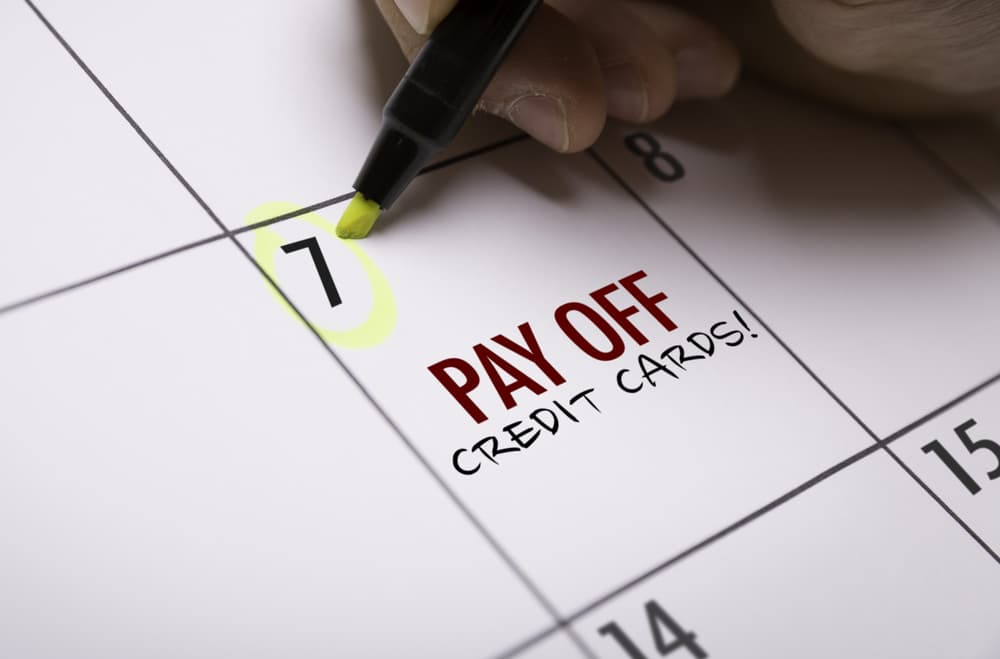
- To pay off high interest debt
- You're house is now the collateral for whatever you decide to purchase.
- You could be paying off the loan for 15+ years, depending on the term of your loan.
How do you know if you should get a cash out refinance?
Ideally, you should be refinancing when you can get a new mortgage rate that is lower than the one you currently have. If mortgage rates have in fact gone up, you might be better off getting a home equity loan or line of credit. It's also best to use the money towards clear, meaningful goals, such as a home improvement, as opposed to a vacation. After all, do you really want to be paying off your vacation for 15-30 years? Maybe you do, maybe you don't. It's entirely down to your personal preference, just make sure that you've gone over all of the finances and it makes sense. [ratelink]Get Pre-Qualified in 60 Seconds!
Find out what you can afford with no hard credit check, just a few simple questions.
Select the type of loan that best fits you