

Think Small: A Compact House Can Save You Money for a Lifetime
Published: January 19, 2016 | 5 min read
Do you love house hunting? Perhaps you pop into realtors' open houses on Sundays, or maybe you browse MLS listings during the commercials while watching TV. Searching for a dream house can be good, addictive fun, and it's always a good idea to know what you like and what you don't.
While it can be fun to fantasize about buying a mansion on a hill, what if your real dream house was a cottage instead? The tiny house movement has picked up a lot of steam in the past decade as more and more people choose to downsize their dreams and live in smaller digs.
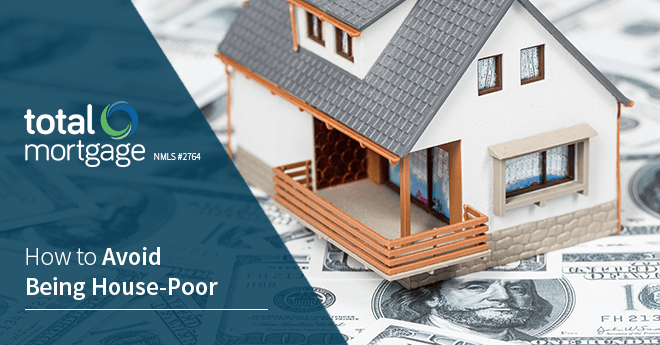
You don't have to sell all your stuff and live in a one-room shed to reap the benefits of buying a "right-sized" property. Downsizing (or choosing a modest house in the first place) does more than just save cash on your mortgage. You'll also save on utilities and maintenance, and you'll be less inclined to spend money on furniture and other items to fill the space. Over a decade or two, this can add up to a major nest egg.
Smaller House, Smaller Mortgage
As of October 2015, the average price of a single-family home in the United States was $263,700. If you choose a smaller-than-average home and spend only $200,000 for it, over the life of a 30-year mortgage with a 4.0 percent interest rate, you'll save a total of $109,480.88 by buying the smaller house. You can crunch the numbers on any house you like with an online mortgage calculator to see what a big difference a small house can make. That kind of savings could provide a major boost to your retirement fund.Save on Utilities and Maintenance
It's a no-brainer that—as long as it's well insulated—a smaller home will require less energy to heat in the winter and cool in the summer. Even if it's not insulated, it will cost you less to bring your house up to speed when you have less square footage to insulate and fewer windows to upgrade. Given average winter heating costs of about $890 (for electric heat—oil is much more), if you save 25 percent of that each winter by living in a smaller house, you'll be able to bank an extra $2,225 in a decade—and that's not even counting the other three seasons of the year! You'll also save on general repairs and maintenance, since there're fewer shingles to paint, less lawn to mow and so on.Avoid the Siren Song of Stuff
Buying a bigger house means that you'll have more rooms to furnish and more space to fill. You'll also be more tempted to spend money on new paint, wallpaper and all the other things that make a house a home. There's nothing wrong with wanting to live in your dream house—but if your dream house is smaller, you'll accomplish your interior design goals faster, and you'll spend less money doing so. In addition to saving money, there are psychological benefits to living a more minimalist lifestyle, including a feeling of freedom from competitive consumption, more time and energy and increased productivity. Before you make the leap to home ownership, consider carefully want you really want and how much space you actually need. You may decide that your dream house is a much smaller space that will save you money over the long haul—so that you can spend it on all your other dreams.Get Pre-Qualified in 60 Seconds!
Find out what you can afford with no hard credit check, just a few simple questions.
Select the type of loan that best fits you