




Popular Green Flooring Alternatives
Published: December 12, 2014 | 5 min read
Let’s face it—going green is becoming less of a fad and more of a lifestyle choice.
Nowhere is going green more popular than in your home. Opting for energy- and water-saving appliances is always a good place to start—and not just because they’re greener than the alternatives. Given enough time, they often pay for themselves in reduced utilities.
In recent years, though, there has also been a push to start considering how the materials you use impact the environment. Nowhere is this more of an issue than in flooring. Traditional hardwood is the gold standard these days, but because trees take decades and decades to grow, many worry about sustainability.
If you’re looking at doing renovations, or even at building your dream house from the ground up, take a look at these four options.
Bamboo. Bamboo neatly side-steps the issue of sustainability, since the plant isn’t killed during harvest and takes just three to seven years to grow back. Bamboo is also durable, easy to clean, and comes in many colors and stains.
There are a few potential snags you should be aware of, though. Because the bamboo industry is still widely unregulated, quality can widely. Some manufacturers even used formaldehyde in their binding agent. Remember to ask the right questions before you buy.
Cork. Like bamboo, cork is much more sustainable than hardwood. It comes from the bark of the cork oak tree, which is harvested without harming the tree. It makes for a soft, warm, easy to clean flooring option, and thanks to cork’s natural properties, it’s also a great insulator.
However, that softness does come at a price. Heavy furniture can dent it, and it does tend to scratch easily.
Linoleum. Did this one surprise you? Today, many people used the word “linoleum” to refer to vinyl or other synthetic floors, but real linoleum (which was developed in the 1860’s and considered a luxury material) is made of linseed oil, resin, wood flour, cork dust, and mineral pigments—all natural materials. It’s durable and biodegradable, and because the pigment runs all the way through, deep scratches and stains can be buffed out and refinished.
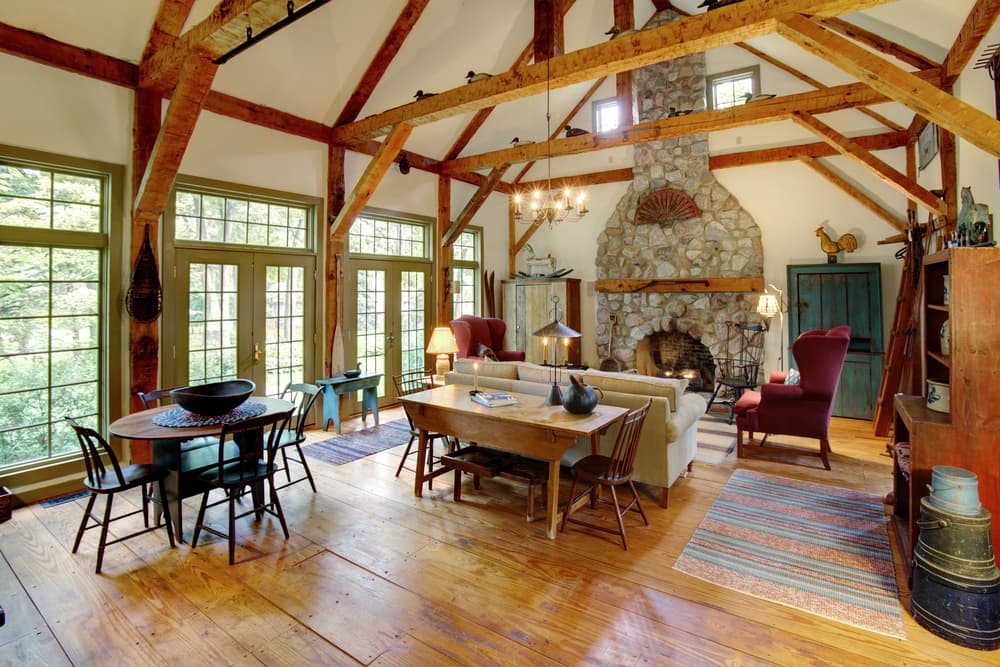
Reclaimed wood. This may seem like cheating, but you can still get the floor you want while bypassing the lumber industry. Reclaimed is a fancy way to “recycled,” or an even fancier way to say “used.” Generally, the wood comes from old barns, warehouses, and other structures, and can sometimes be even more durable than new hardwood, thanks to its age.
The one downside is availability. Reclaimed wood flooring can be difficult to find, and when you do find it, odds are good it’ll be even more expensive than new hardwood.
Get Pre-Qualified in 60 Seconds!
Find out what you can afford with no hard credit check, just a few simple questions.
Select the type of loan that best fits you

