
4 Ways to Lower Closing Costs
Published: June 15, 2015 | 5 min read
As you prepare to buy a house, you might anticipate having to come up with a down payment. To save the necessary 3-20%, you might eat out less, shop less and skip a yearly vacation.
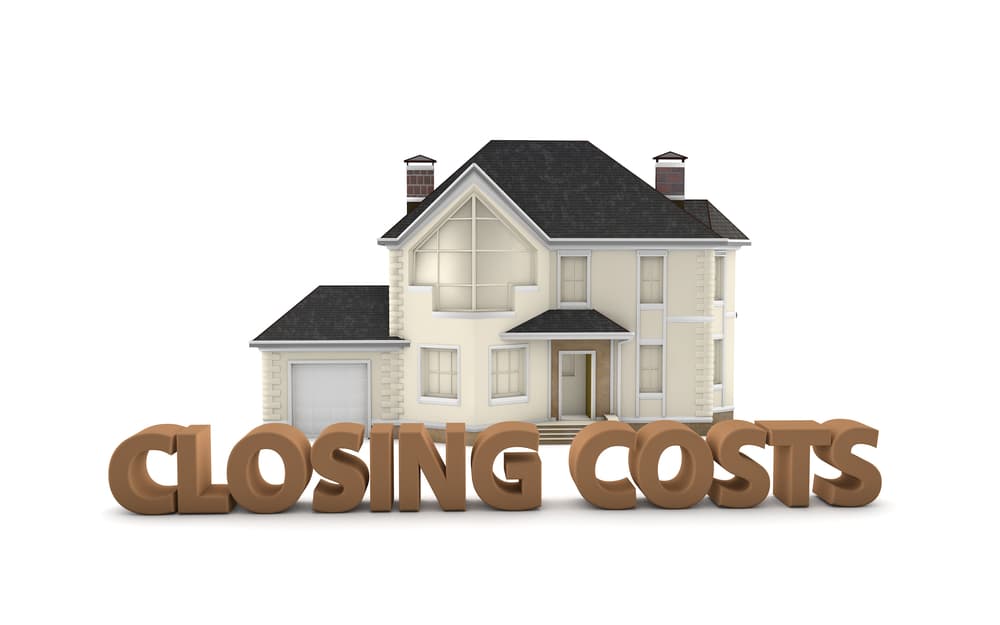
However, down payments aren’t the only extra expense associated with buying a house. Some first-time home buyers don’t realize that buying a house also involves paying closing costs. These are funds paid to the bank issuing the loan and include a variety of fees, such as the loan origination fee, the appraisal, the title search, transfer fees, etc.
Closing costs can range from 2-5% of the mortgage balance, according to Zillow. It's a big expense, and the idea of coming up with a down payment and closing costs might be overwhelming. Fortunately, there are ways to reduce how much you pay out-of-pocket.
If you're ready to buy a house, here are four ways to reduce your closing costs.
1. Ask the seller to pay the closing costs
Mortgage lenders understand it’s challenging for some buyers to come up with cash for closing costs and a down payment. Therefore, many lenders allow sellers to pay all of a buyer’s closing costs, or contribute a percentage to these costs. This significantly reduces how much a buyer brings to the table on closing day. You can ask for closing costs assistance when submitting a bid to purchase.2. Buy or refinance with your current mortgage lender
If you're buying another property or refinancing an existing property, you might be able to reduce your closing costs by working with the same lender. Since you have an existing relationship, the bank might lower or eliminate some of your closing costs to keep you as a customer. However, even if your bank lowers some of you costs, it's still smart to shop around and compare fees with other lenders. You might find a better rate and cheaper fees elsewhere.3. Negotiate a higher interest rate
If you can't afford closing costs and the seller won’t pay, talk to your lender about getting a no-closing-cost mortgage loan. With this type of loan, you agree to a slightly higher interest rate in exchange for zero closing costs. The bank pays your closing costs and makes its money back with the additional interest.4. Don’t buy down your interest rate
To get a lower interest rate, some borrowers pay discount points to buy down their rates. One point is equivalent to one percent of the mortgage balance, and each discount point reduces the mortgage interest rate by .25 percent. Discount points can definitely save you money over the course of a 30year mortgage term. However, discount points are paid outofpocket and included with the closing costs, which can significantly increase how much you owe at closing. For example, if you get a mortgage for $100,000 and buy two discount points, that's an extra $2,000 you’ll pay in closing costs.Bottom Line
Closing costs are expensive and sometimes unexpected, but there are ways to get over this hurdle and get the keys to your new place. In addition to negotiating with your bank, consider buying new construction. Some builders pay all of their buyers closing costs if they get a mortgage from one of their preferred lenders.Get Pre-Qualified in 60 Seconds!
Find out what you can afford with no hard credit check, just a few simple questions.
Select the type of loan that best fits you